 JAPAN'S BEST-DESIGNED CAFÉS
Q&A
Why do some cafés centre on counter seating?
To bring the maker and the drinker as close as possible. With a counter, the person in front of you can explain the beans or show the finishing of a sweet directly.
Guided by the people behind the counter, not the menu
The shop's words: “Guided through its world by the beans and the people behind the counter.” Beans are explained not by menu text but by the person at the counter.
You can choose espresso, latte or French press to suit each bean — first-timers don't need to know any bean names.

A reservation-only counter where craftsmen finish sweets
TORAYA GINZA's counter seats are by reservation. Craftsmen finish sweets in front of you and serve them freshly made.
A sushi-bar-style counter in a wagashi shop — seats that show how the sweets are made.
Blue Bottle Coffee Shinagawa Cafe →
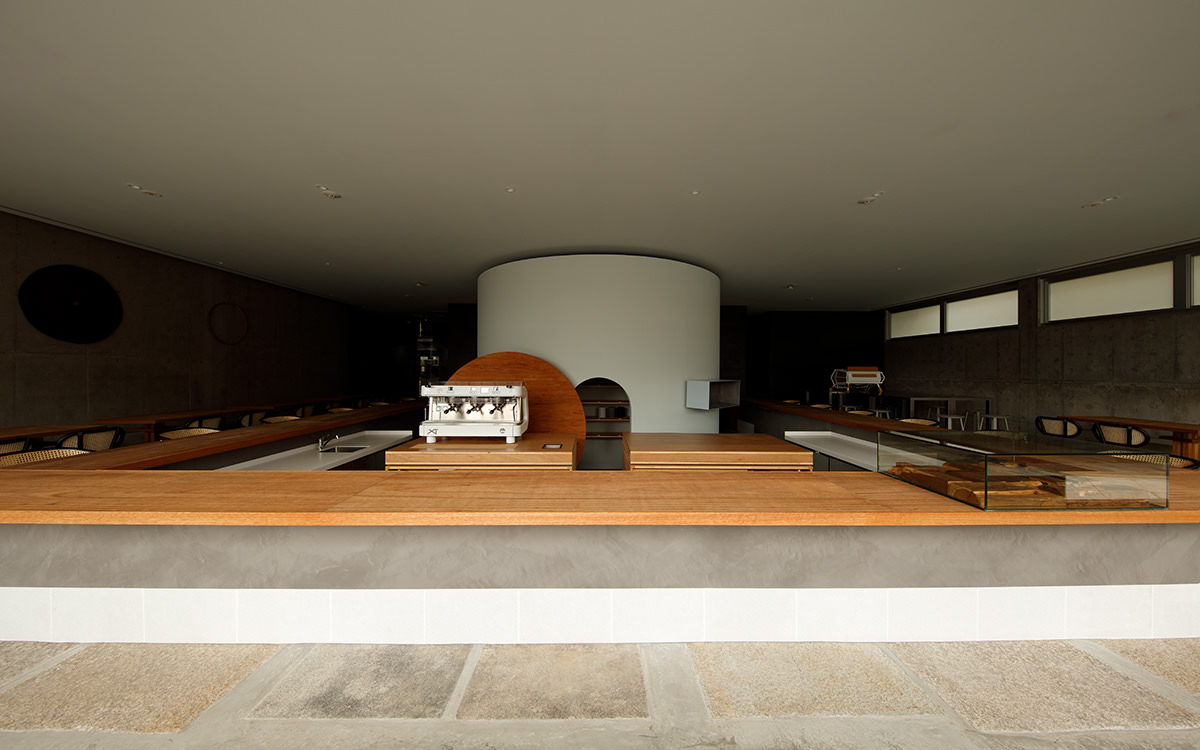
A hollow square counter in the middle
At the centre of the Shinagawa shop is a hollow square counter: baristas inside, guests around it.
Placing it in the middle rather than against a wall lets everyone approach the heart of the shop at the same distance.

Blue Bottle Coffee Nakameguro Cafe →
Steps that align eye levels across the counter
The Nakameguro shop's floor has changes in level, designed so that inside and outside the counter, seated and standing eye levels come closer.
Baristas and guests needn't look up or down at each other — the steps are the tool for that.
What is counter seating?
Seats that face the maker's workspace across a single board.
Conversation and the movement of hands become the centrepiece, so it suits shops that leave the explaining of beans or sweets to people.
Other questions


 QWhat's different about cafés that take reservations?


 QAre there comfortable cafés inside stations or station buildings?
 QIs it true some cafés charge an entry fee?

 QHow is a historic wagashi house's “karyo” different from a café?


 QWhat kinds of Japanese-tea cafés are there?

 QWhich cafés open early in the morning?
