 JAPAN'S BEST-DESIGNED CAFÉS
Introduction
As if inviting friends home
According to the official website, the museum was built in Minami-Aoyama's residential area from a wish to welcome visitors as if inviting friends home. The architecture too is house-shaped, combining small two-storey volumes.
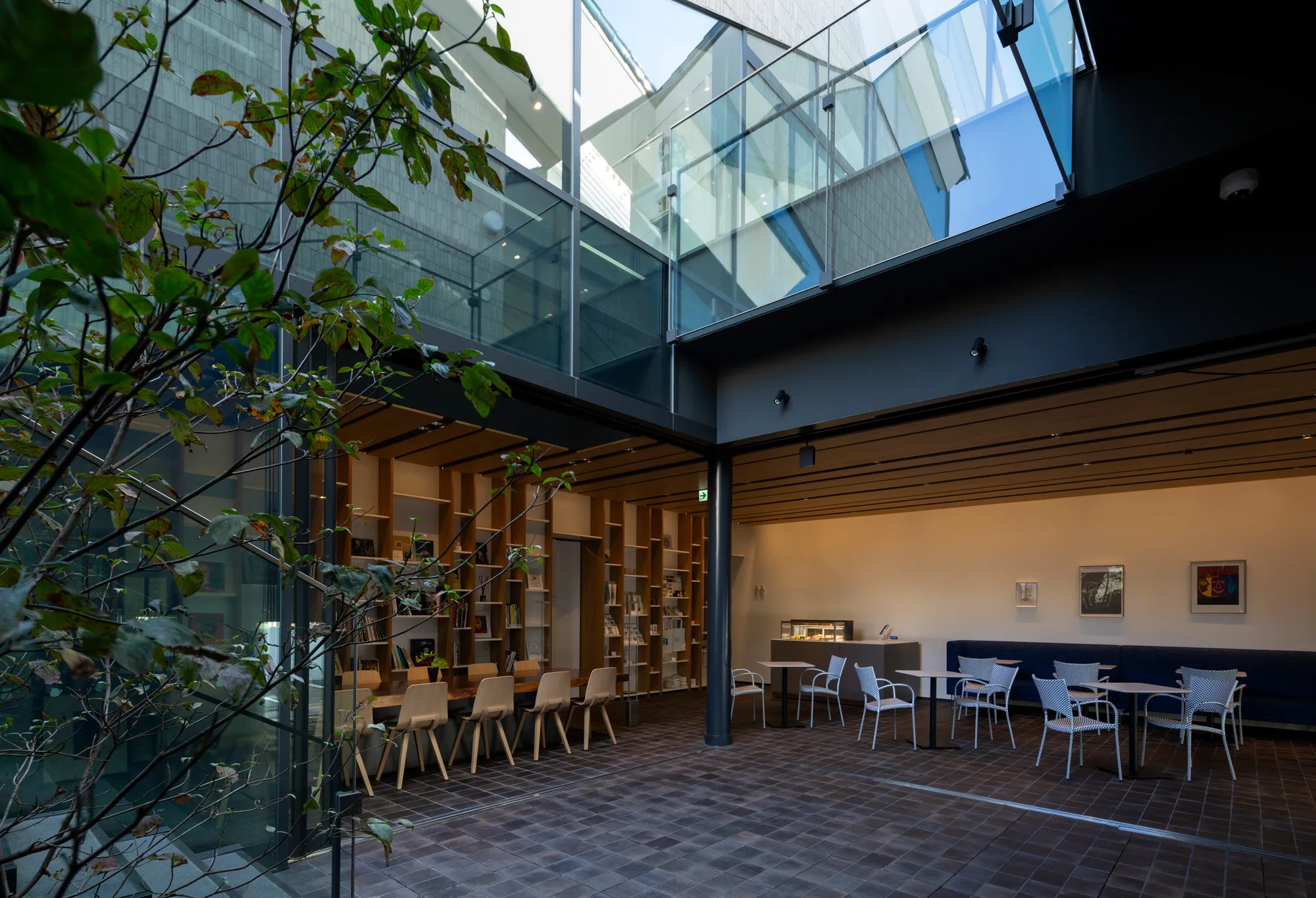
The café faces a courtyard where you can enjoy dogwood through the seasons. You can visit the café alone, and the website hopes you will relax as if at a friend's house.
01 · Exterior
A house shape and Côte d'Azur tiles
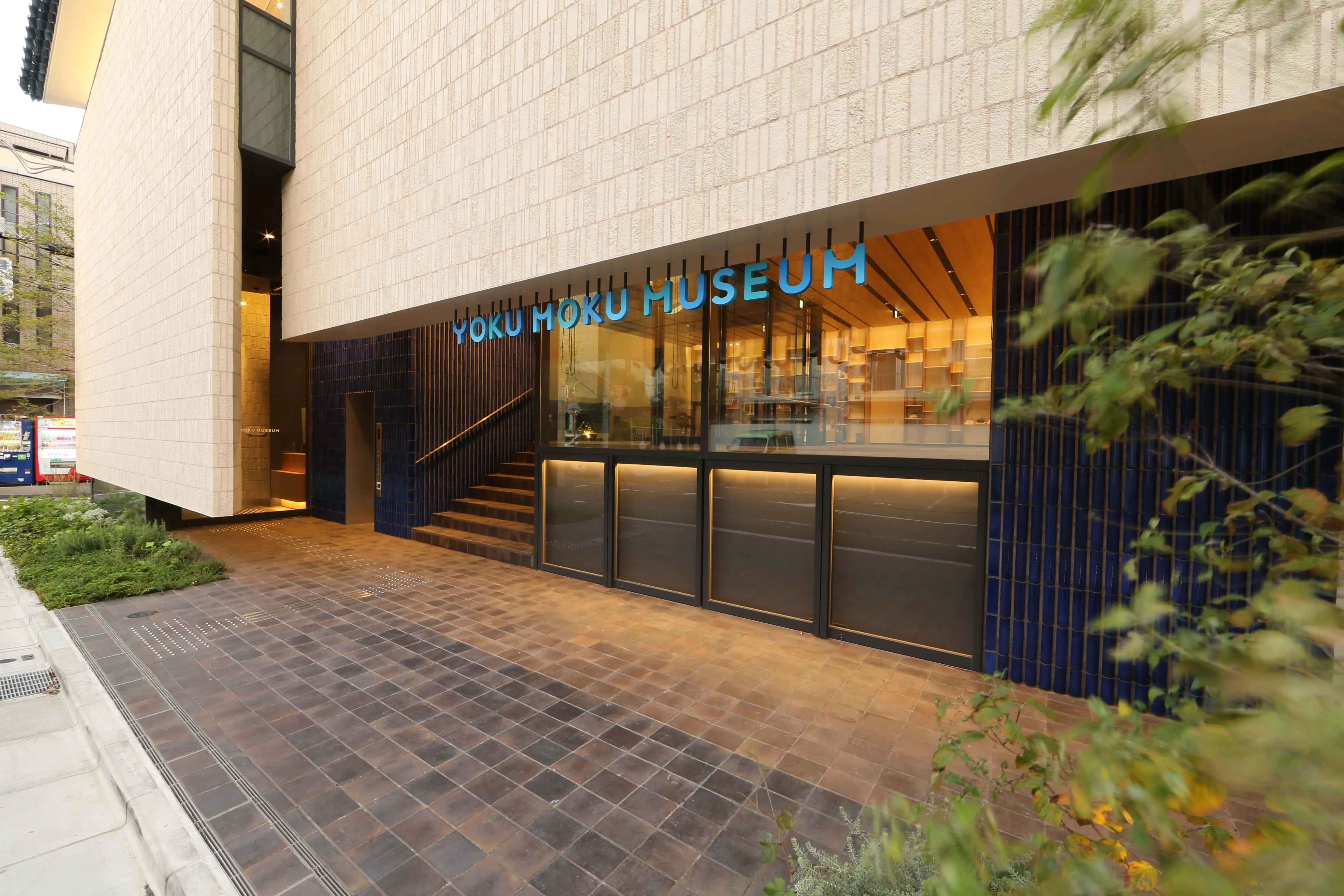
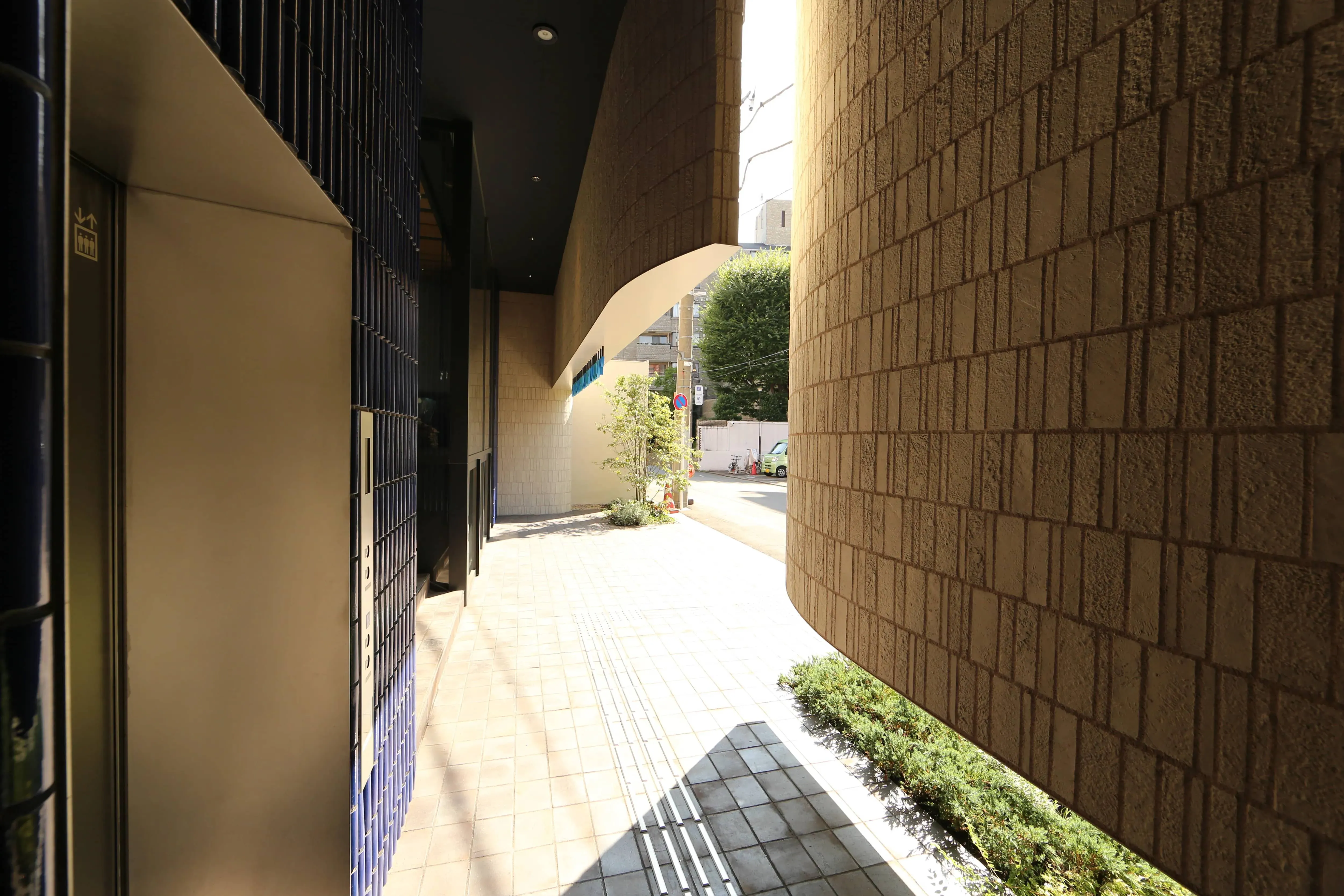
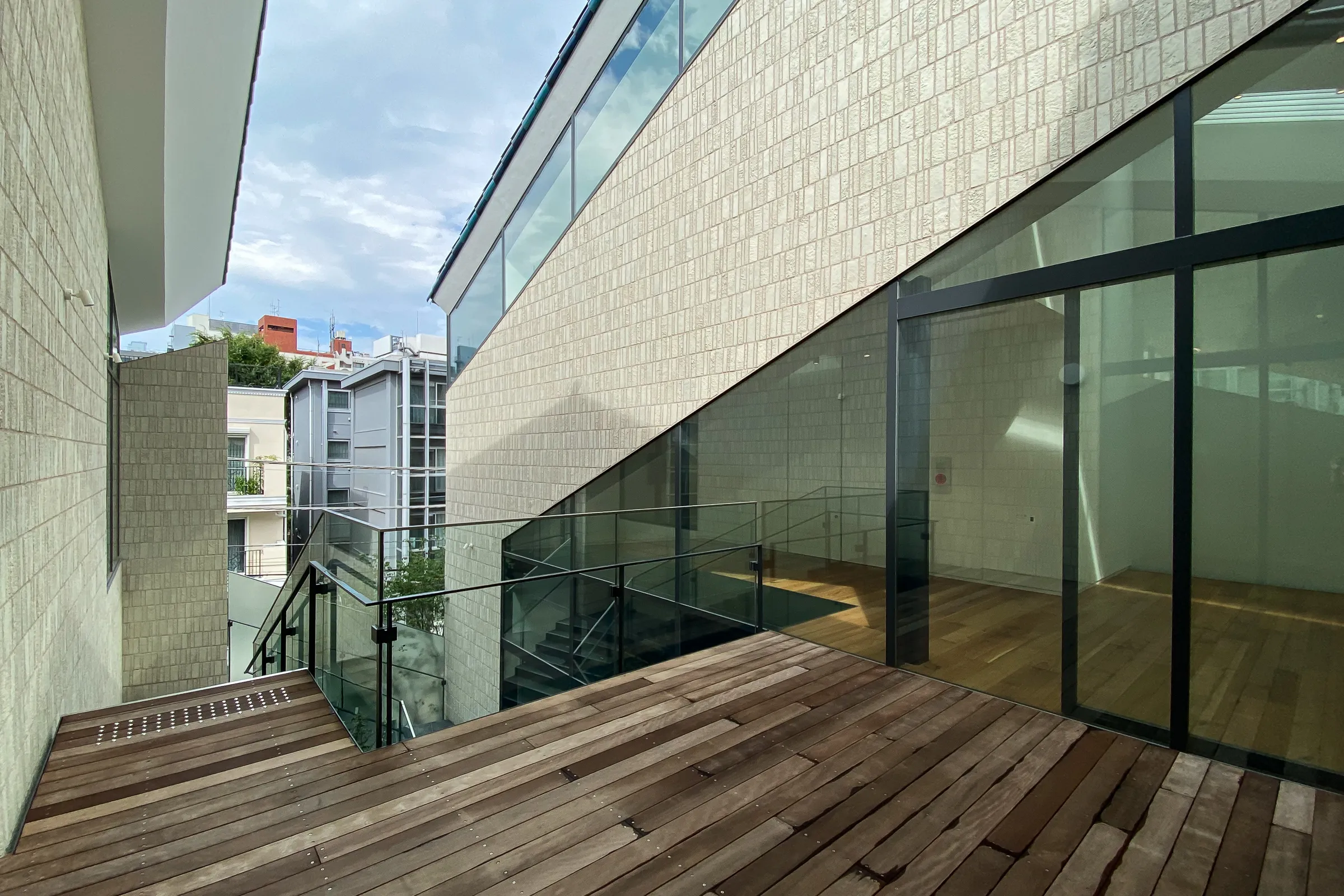
The building is house-shaped, combining small two-storey volumes.
The roof pays homage to the tile details of the Côte d'Azur, where Picasso made his ceramics.
02 · Courtyard
Light and wind, like “a mountain retreat in the city”
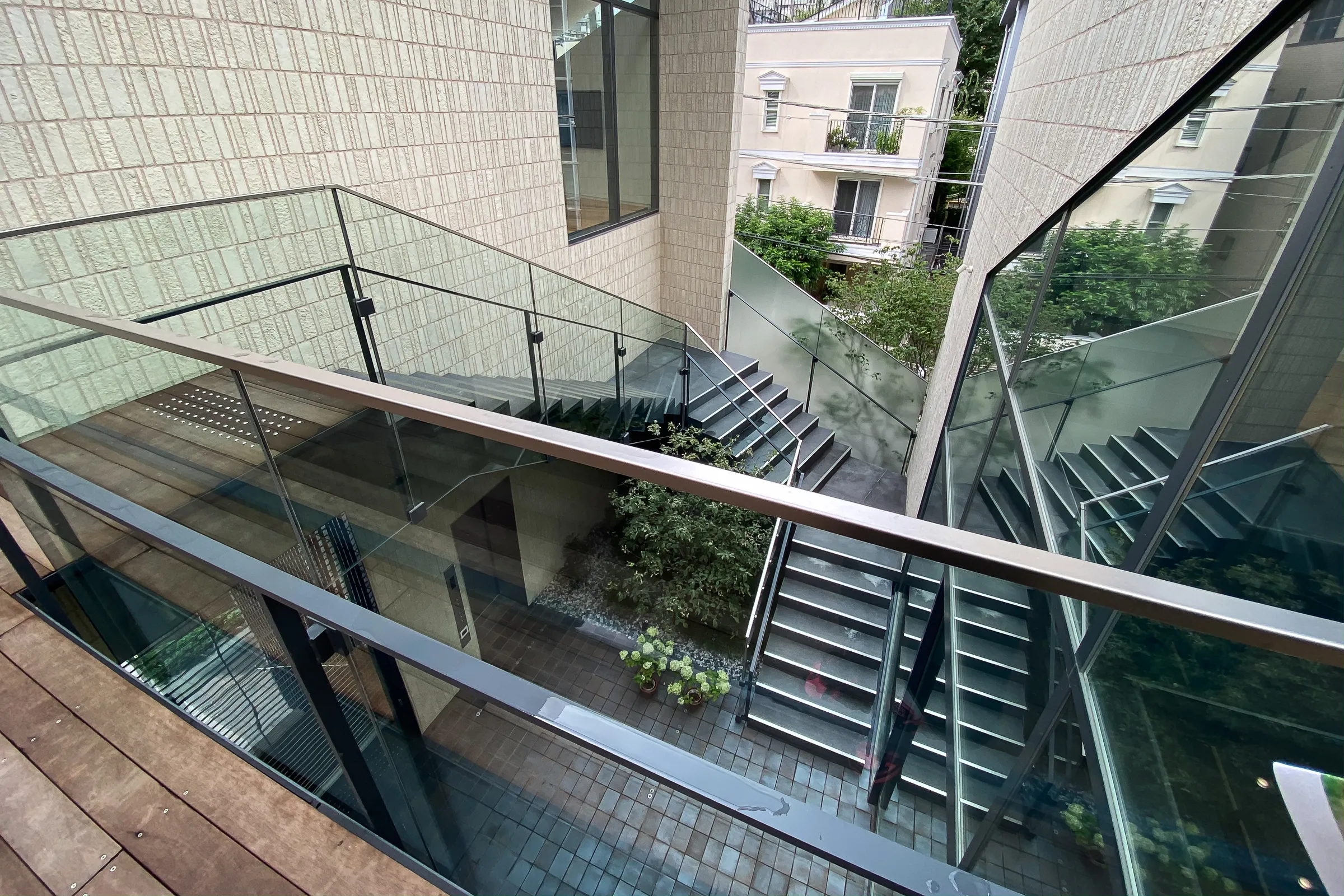
Through the courtyard, the architecture lets you feel light, wind and plants, like “a mountain retreat in the city”.
As at the Yoku Moku Aoyama flagship, the courtyard's dogwood can be enjoyed through the seasons.
03 · Café
Seats surrounded by fired materials
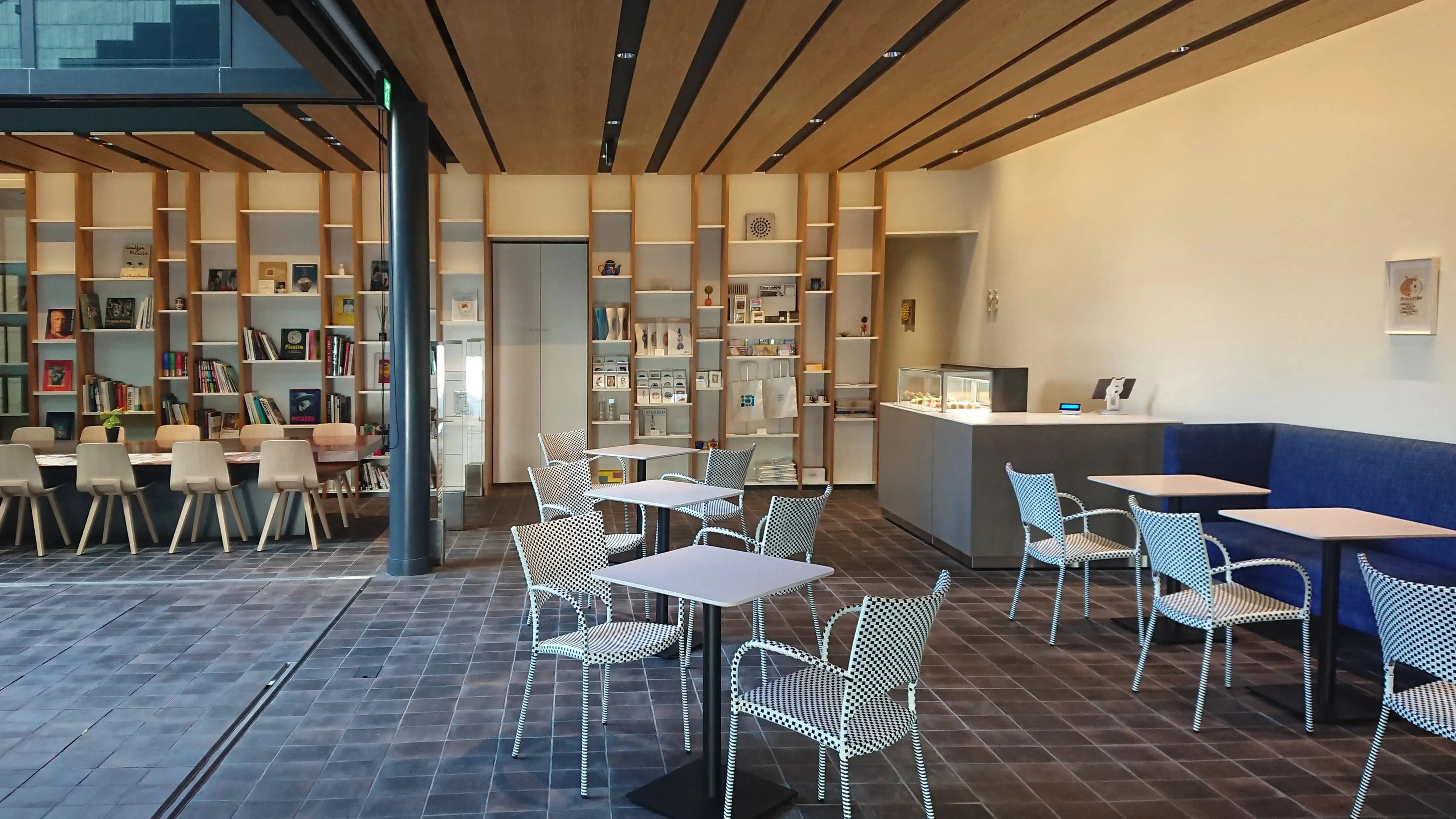
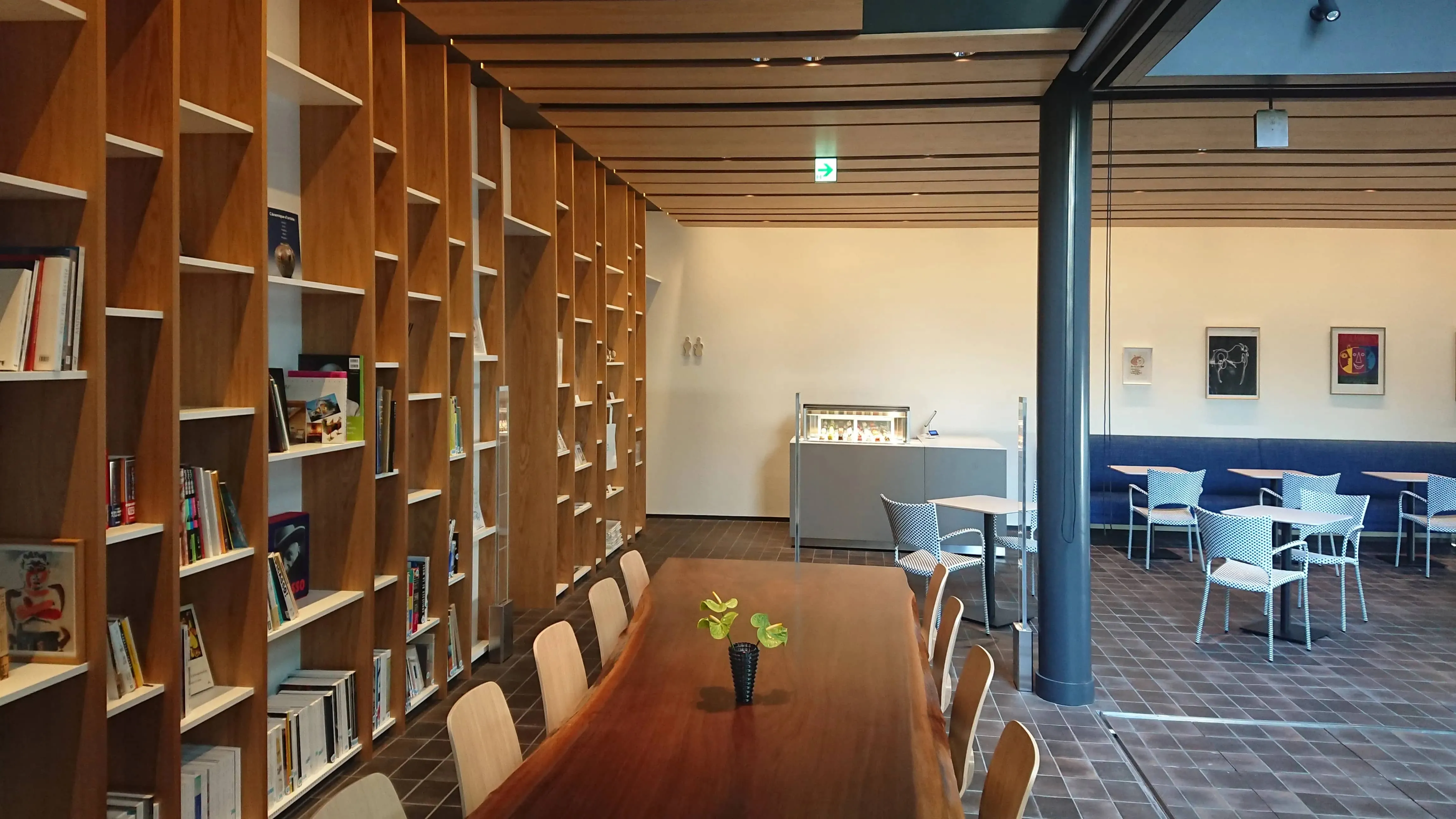
Materials were chosen with care for fired things, like Picasso's ceramics and like biscuits. Floors and walls evoke the heat-resistant bricks of a pottery kiln.
The ground-floor café has a goods shop and library, and switches flexibly into a venue for art sessions and lectures.
04 · Galleries
Upstairs galleries in natural light
The 2nd-floor galleries are open spaces drawing plenty of natural light from the courtyard. The official website says Picasso's ceramics look very vivid in natural light.
The basement gallery, by contrast, controls the light so paintings and prints can also be shown.
What is Vallauris?
A town in the south of France, where Picasso made thousands of ceramic works with craftsmen at the Madoura workshop.
The Yoku Moku Museum collects many of the Picasso Edition ceramics born at that workshop.