 JAPAN'S BEST-DESIGNED CAFÉS
4 cafés
Beautifully designed cafés in temple and shrine grounds
A Taisho Western house, a tea seat facing a dry garden, a seaside-themed shop by a temple gate, an Edo-era tea house — cafés to stop at on a visit to a temple or shrine.
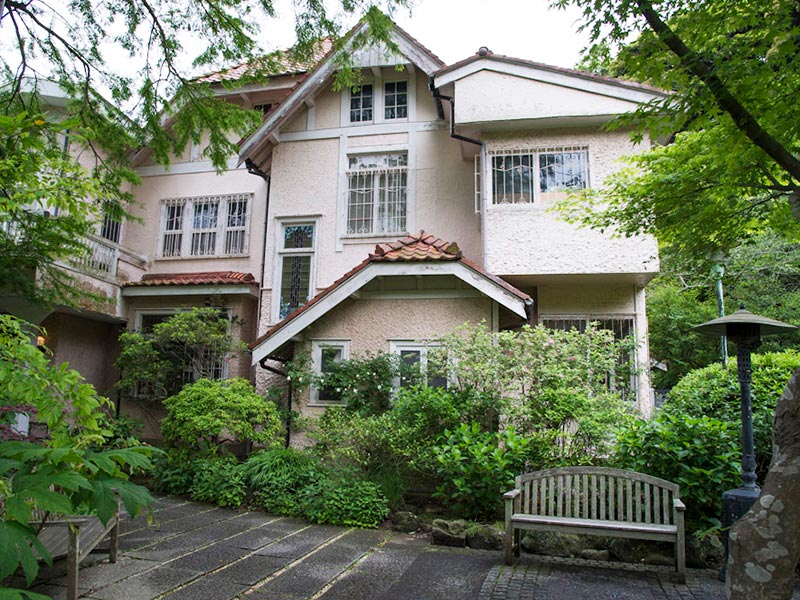
In Jomyoji's grounds, a Western house from 1922
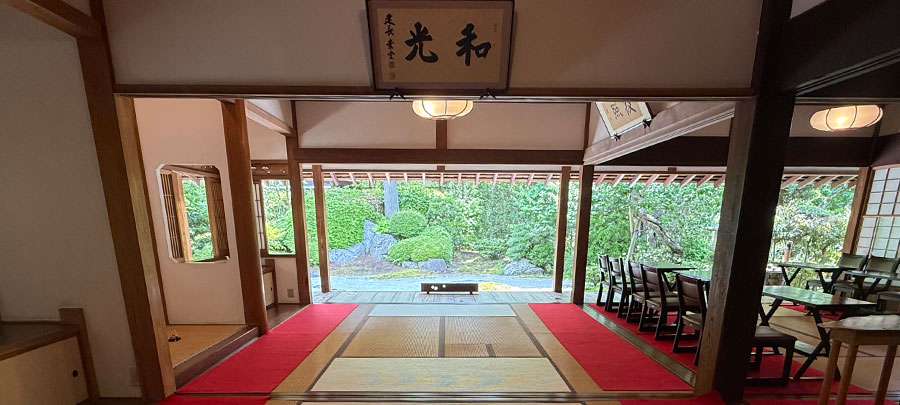
Jomyoji's tea house: matcha and wagashi facing a dry garden

By Hasedera's gate, a shop of wave photos and panels
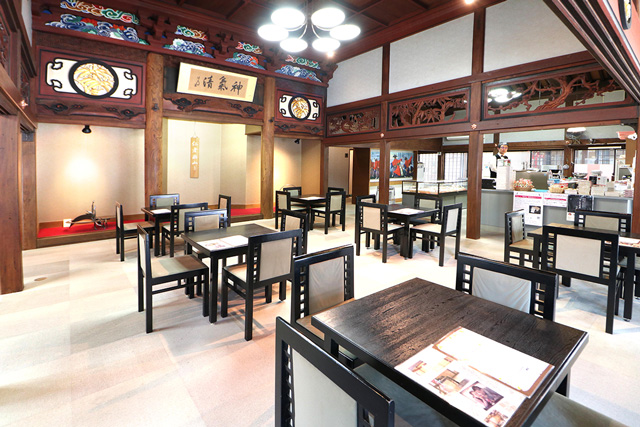
A tea house in Mitsumine Shrine, in a building rebuilt in 1739
Planning a visit
Hours, designers and stations for these 4 cafés
Nearest stations: Kamakura, Hase, Seibu-Chichibu.
| Café | Area | Hours | Closed | Design |
|---|---|---|---|---|
| Ishigama Garden Terrace | Kamakura | 10:00–17:00 (café last order 16:00, meals 15:00); closed… | — | The house: a German architect (name not confirmed) |
| Kisenan (Jomyoji Temple) | Kamakura | 10:00–16:30 (last order 16:15; closing days not stated) | — | — |
| Teraya Café (Hasedera Temple) | Hase | 10:00–16:00 (closing days not stated) | — | — |
| Shokyoin (Mitsumine Shrine) | Chichibu | 9:00–17:00 (last order 16:30; closed for private use on 3… | — | — |
From each official website and architects' pages. “—” means the official information we checked does not say.
Questions visitors ask
Which cafés at temples and shrines were designed by known architects?
Ishigama Garden Terrace (The house: a German architect (name not confirmed)).
What are the nearest stations for the cafés at temples and shrines?
The stations mentioned most often are Kamakura Station, Hase Station, Seibu-Chichibu Station. Every café page has directions and the address in Japanese.
More collections


3 cafés
Beautifully designed cafés overlooking Japanese gardens
A pond stroll garden, a dry garden of cedar moss, a garden of about 33,000 m², a garden beyond the windows —…

5 cafés
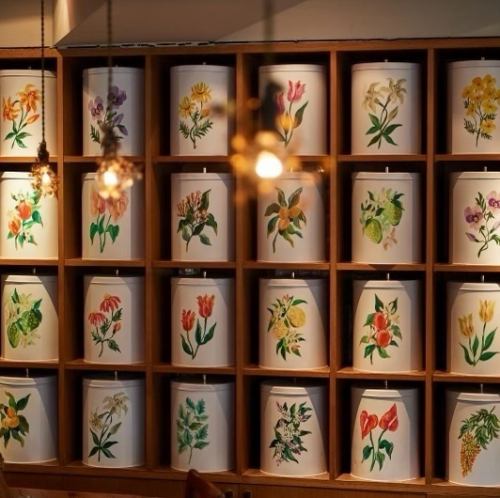
Beautifully designed cafés for good black tea
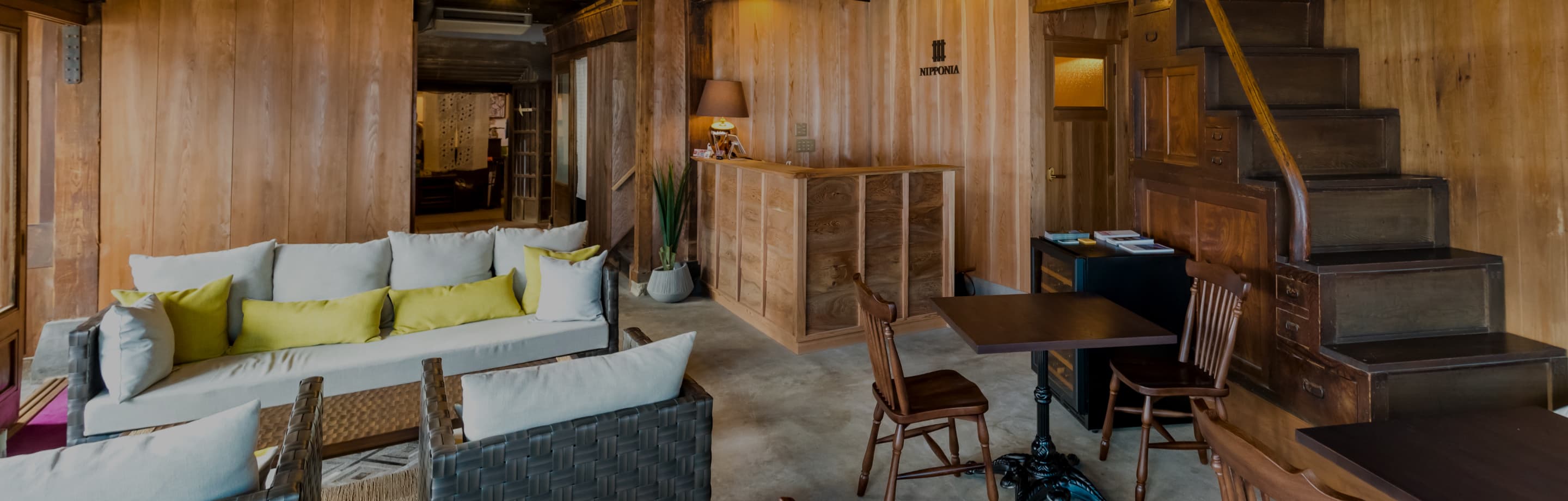
British-style teatime, the shop where free tea refills began, a merchant house's café lounge, herbal tea in a…
3 cafés
Beautifully designed cafés in Edo- and Meiji-era buildings
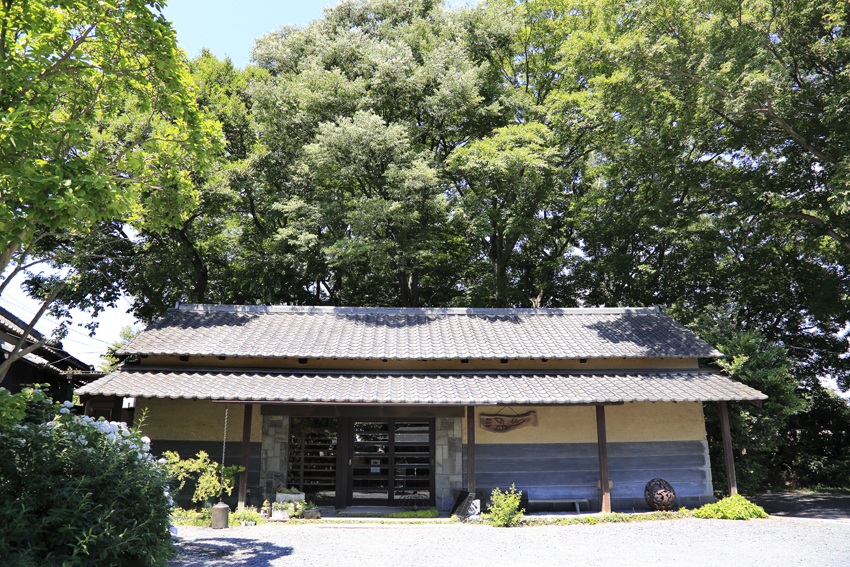
A tea house rebuilt in 1739, an 1855 merchant house, a 170-year-old barn, a late-Edo house — cafés in…
